


From Wuhan to Astrakhan: CITS Interpreter Earns PhD in Translation Studies in China
Meet Polina Tulyakova, a CITS staff interpreter who has officially earned her PhD in Translation Studies and Linguistics! This summer, Polina returned to Astrakhan from Wuhan, following a four-year doctoral program at Central China Normal University.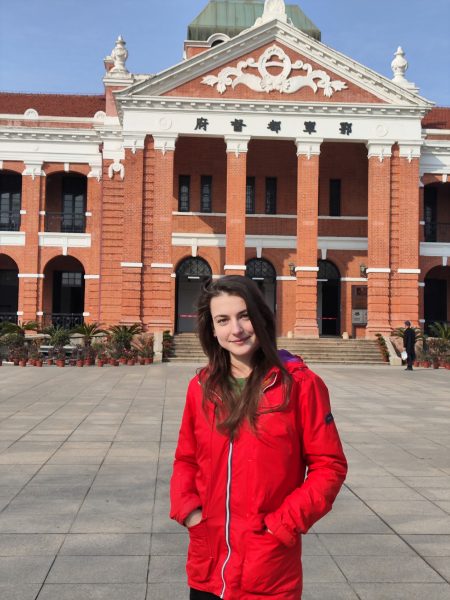
We asked our colleague to look back at her journey from 2022 to 2026. Here are her main takeaways on stepping outside her comfort zone and navigating a completely different academic system:
- Interdisciplinary Research & AI
My primary research focused on museum texts and the nuances of translating them into foreign languages. It’s a fascinating field at the intersection of Linguistics, Cultural Studies, and Museum Studies. More recently, I’ve been researching AI integration in translation. My time in China convinced me that while artificial intelligence won’t replace human translators, it absolutely demands a much higher level of digital and analytical literacy from us.
- China as a School of Life
Central China Normal University gave me an insider’s look into a completely different academic framework, one driven by immense discipline, systemic structure, and total digitalization. Studying in such a multinational environment taught me flexibility and showed me that the educational process can and should be tailored to the individual.
- Literary Wins, Videography, and Hobbies
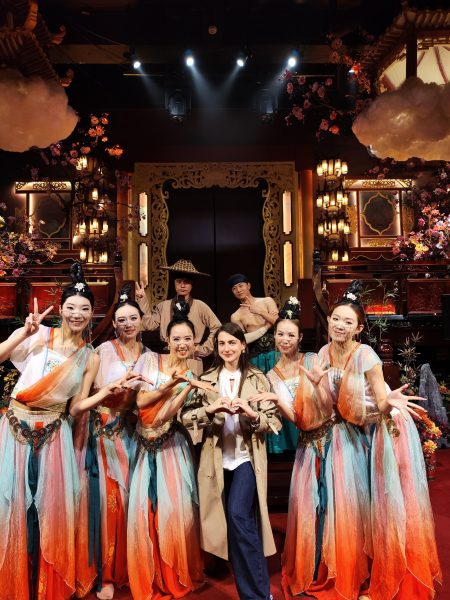
Over the past four years, Polina built an impressive creative portfolio:
-
- Three-time prize winner of the Chucai essay competition, a well-known literary contest in Wuhan.
- Her video project My Campus Story was named an outstanding work by China Daily.
- Her documentary on the bridges of Wuhan won the Hi Wuhan, while another video project took a prize in the Eastern Wind contest organized by the Chinese Embassy in Russia.
It was deeply rewarding to see my academic work and creative passion run parallel, Polina shares. While researching language professionally, I was simultaneously learning to observe it through a camera lens and share those impressions with others.
Today, Polina returns to teaching equipped with immense international experience, deep cultural insights, and a strong grip on modern educational technologies. She is ready to help our students not just learn a language, but recognize real professional opportunities in the global arena.
Huge congratulations to Polina on her safe return and successful PhD defense! Here’s to many more successful projects ahead!